Categories
Tags
-
#Insulation Aluminium Coils
#Thick Aluminum Sheet
#2024 Aluminum Plate
#Aluminium Products Supplier
#5052 Aluminium Foil
#Household Aluminium Foil
#Color Coated Aluminium Circles
#5052 Aluminum Circle
#Aluminium Circles
#Aluminum Trim Coil
#Aluminum Cookware
#Web Guide Actuators
#Non-Stick Coating Technologies in Aluminium Cookware
#Cigarette Packaging Aluminium Foil
#Patio Benches
Archives
Materials That Make Patio Benches Last
-
Public spaces are the heart of a community. From parks and transit stops to library courtyards and urban plazas, the furniture we place there must withstand a unique set of challenges: 24/7 exposure to the elements, constant use, and the potential for vandalism. Choosing the right material for a patio bench isn't just about aesthetics; it's an investment in longevity, safety, and low maintenance.
So, what makes a material truly "public-space tough"? Let’s explore the key contenders and what makes them stand up to the test of time.
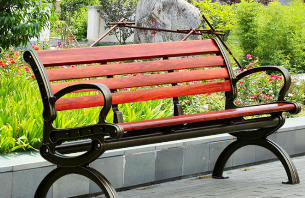
1. The Modern Champion: Recycled Plastic Lumber (HDPE)
This is often the top choice for new public installations, and for good reason.
Why it Lasts: Made from high-density polyethylene (often recycled milk jugs), it’s completely impervious to water. It won’t rot, splinter, or crack. It’s immune to insect damage and requires no sealing or painting.
Public-Space Perks: Highly resistant to graffiti (most can be cleaned with a solvent), and it’s inherently low-maintenance—a quick wash is all it needs. The material is also UV-stabilized to prevent fading over many years.
Consideration: It has a different look and feel than natural wood, and while very strong, it can have more flex than solid hardwood or metal.
2. The Industrial Workhorse: Powder-Coated Aluminum & Steel
Metal benches bring a classic, sturdy feel and are incredibly durable when properly finished.
Why it Lasts: The secret is in the finish. A high-quality powder coat is electrostatically applied and baked on, creating a shield far superior to traditional paint. It resists chipping, rust, and UV fading. Aluminum, in particular, is naturally rust-proof.
Public-Space Perks: Offers unmatched strength and stability. Frameworks are often welded, deterring theft. The smooth surfaces are easy to clean and discourage pests.
Consideration: In coastal areas (salt air) or places with heavy industrial pollution, even powder-coated steel requires vigilant inspection for chip repairs to prevent rust. Metal can also get very hot or cold to the touch.
3. The Time-Tested Classic: Tropical Hardwoods (Ipe, Teak, Shorea)
For a warm, natural look that ages gracefully, premium hardwoods are excellent.
Why it Lasts: Woods like Ipe are so dense they naturally resist moisture, rot, decay, and insects. They have a Class A fire rating (the same as concrete and steel). Left untreated, they weather to a handsome silver-gray.
Public-Space Perks: Extremely hard surface resists scratching and wear. Their substantial weight adds to permanence. When sourced from certified suppliers (look for FSC certification), they are an eco-friendly choice.
Consideration: The highest upfront cost. Requires initial sealing if you want to maintain the rich brown color, which adds to long-term maintenance cycles.
4. The Engineered Solution: Concrete and Composite
These materials are often used for the bench structure or as durable components.
Concrete: Lasts for a century, is completely immune to weather and vandalism, but is immovable and can be uncomfortable without added seating slats.
Composite: A blend of wood fibers and plastic. More rigid than 100% plastic lumber, with a wood-like texture. Performs similarly to recycled plastic but can be prone to staining and may have more thermal expansion.
The Bottom Line for Planners:
The most durable public bench is a fusion of the right material and smart design. Look for:
Hidden Fasteners: Eliminate rust spots and tampering.
Kick-Proof Leg Caps: Protect bench ends from mower damage.
Full-Width Aprons: Add structural rigidity and prevent slat twisting.
A Trusted Supplier: Work with a manufacturer specializing in commercial-grade furniture, not residential.
By prioritizing materials engineered for endurance, you create welcoming public spaces that remain beautiful, functional, and fiscally responsible for generations.