Categories
Tags
-
#Waste Oil to Base Oil Plant
#Well Control Simulators
#HFO Visbreaking
#Transformer Oil BDV Tester
#VR Emergency Training Simulator
#SF6 Gas Purification Machine
#Laser Cleaning
#Automatic Laser Welder
#Benchtop Pneumatic Dot Peen Markers
#Oil Well Work
#Portable Well Control Simulators
#well logging
#Petroleum Engineering
#virtual reality emergency training simulator
#Well Control Simulator
#Waste Oil to Base Oil Plants
#Portable Simulator
#Web Guide Systems
#Floating Rig
#Turbine Oil Filtration
#Land Rig Installation
#Clothes Drop Boxe
#Industrial Garbage Compactor
#Magnetic Powder Brakes
#acuum Hydraulic Oil Filtration Technolog
#Mobile Waste Compactor
#Fracturing and Acidizing Simulator
#Trailer Purifier
Archives
How Modern Web Guide Systems Are Slashing Material Waste
-
In the fast-paced world of converting, printing, and packaging, every millimeter of material counts. Wasted film, foil, paper, or nonwoven fabric isn’t just a line item on a balance sheet; it’s a direct hit to profitability and sustainability goals. Enter the modern All-in-One Web Guide System – a compact powerhouse that is revolutionizing how manufacturers maintain precision and, most importantly, dramatically reduce material waste.
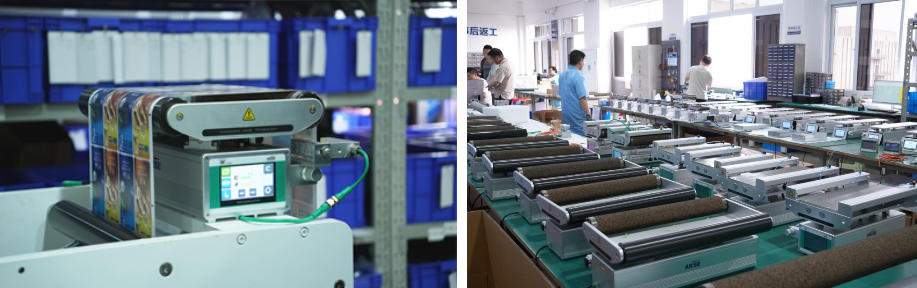
Traditional web guiding often involved a scattered array of components: separate sensors, controllers, actuators, and displays from different vendors. This complexity created points of failure, required more maintenance, and could lead to slower, less accurate corrections. The "All-in-One" (AIO) design consolidates these critical elements into a single, intelligent unit. But how does this consolidation translate directly into less waste?
1. Faster, More Accurate Corrections = Tighter Trim Margins
At the heart of waste reduction is the edge position. The AIO system's integrated sensor and processing unit detect web misalignment in real-time with exceptional accuracy. Because all components are designed to work in perfect harmony within one housing, signal processing is lightning-fast. This means the system makes minute, continuous corrections before a significant deviation occurs. Operators can therefore run with significantly reduced trim margins—the extra material at the edges that is traditionally left "just in case." Reducing this trim by even a few millimeters across a high-speed, 24/7 operation saves kilometers of material annually.
2. Eliminating "System Lag" and Overshoot
In a disparate component system, communication delays between sensor, controller, and actuator can cause a sluggish response. The machine might over-correct, leading to a oscillating "seasick" web. Each oscillation creates edge waste. The integrated architecture of an AIO system virtually eliminates this lag. Corrections are smooth, proportional, and immediate, ensuring the web tracks perfectly down the machine centerline with minimal to no hunting. This stability is crucial for processes like precision printing or lamination where registration is key.
3. Simplified Setup and Reduced Operator Error
Waste often occurs during setup, changeovers, or due to incorrect settings. AIO systems feature intuitive, built-in touchscreen interfaces that guide operators through setup with pre-configured recipes. Changing from one product roll width to another becomes a one-touch operation, ensuring optimal guide parameters are loaded instantly. This eliminates the guesswork and manual adjustments that often lead to trial-and-error scrap during startups.
4. Predictive Alerts and Less Process Downtime
Material waste isn't only about trim. A web break or a severe misalignment that causes a jam creates massive waste and cleanup time. Integrated AIO systems continuously monitor their own performance and the guiding process. They can provide early warnings for issues like deteriorating actuator performance or sensor blockage, allowing for planned maintenance before a catastrophic failure. Keeping the line running smoothly is one of the most effective ways to prevent waste.
5. Sustainability as a Direct Outcome
The business case is clear: less raw material purchased, less energy spent processing wasted material, and less scrap to send to landfills or recycling. An AIO web guide system turns precision engineering into a direct sustainability initiative. Companies can achieve their ESG (Environmental, Social, and Governance) targets while improving their bottom line—a true win-win.
Conclusion: Precision in a Package
The shift to All-in-One Web Guide Systems represents a move from reactive to proactive, from complex to streamlined, and from wasteful to precise. By delivering faster, smarter, and more reliable guidance in a single robust unit, these systems are proving that the smartest way to handle your web is also the most economical and sustainable way. In the mission to reduce waste, the AIO guide isn't just an accessory; it's a central strategist.