Categories
Tags
-
#Waste Oil to Base Oil Plant
#Well Control Simulators
#HFO Visbreaking
#Transformer Oil BDV Tester
#VR Emergency Training Simulator
#SF6 Gas Purification Machine
#Laser Cleaning
#Automatic Laser Welder
#Benchtop Pneumatic Dot Peen Markers
#Oil Well Work
#Portable Well Control Simulators
#well logging
#Petroleum Engineering
#virtual reality emergency training simulator
#Well Control Simulator
#Waste Oil to Base Oil Plants
#Portable Simulator
#Web Guide Systems
#Floating Rig
#Turbine Oil Filtration
#Land Rig Installation
#Clothes Drop Boxe
#Industrial Garbage Compactor
#Magnetic Powder Brakes
#acuum Hydraulic Oil Filtration Technolog
#Mobile Waste Compactor
#Fracturing and Acidizing Simulator
#Trailer Purifier
Archives
How Floating Oil Rigs Survive Extreme Weather and Ocean Conditi
-
Floating oil rigs operate in some of the harshest environments on Earth. From towering waves and hurricane-force winds to icy waters and strong ocean currents, these rigs face relentless challenges. Their survival relies on engineering ingenuity, rigorous design standards, and cutting-edge technology. Understanding how these floating giants withstand nature’s fury provides insight into one of humanity’s most impressive engineering feats.
1. Robust Structural Design
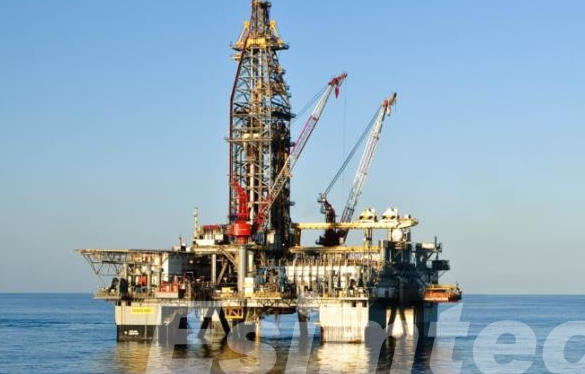
Floating rigs such as semi-submersibles and drillships are designed to endure extreme forces. Semi-submersibles use submerged pontoons and columns that minimize wave impact, allowing them to “float” on relatively stable platforms even during storms. Drillships employ hull shapes optimized for stability and motion damping. Engineers perform detailed simulations of wave loads, wind forces, and ocean currents to ensure that the structure can handle worst-case scenarios without compromising safety.
2. Motion Dampening Technology
One of the key challenges for floating rigs is minimizing motion caused by waves and currents. Advanced rigs use passive and active motion damping systems. Ballast tanks can be filled or emptied to adjust the rig’s buoyancy and balance. Some rigs employ active stabilization systems using gyroscopes and hydraulic actuators that counteract rolling and pitching. This technology protects both equipment and crew from extreme movement during storms.
3. Dynamic Positioning in Rough Seas
Maintaining position during adverse weather is critical. Dynamic positioning (DP) systems allow rigs to stay directly above the wellhead using thrusters controlled by computer algorithms. DP systems integrate real-time environmental data—such as wind speed, wave height, and current direction—to make continuous adjustments. This reduces the risk of drifting into dangerous zones and minimizes stress on the rig’s structure.
4. Emergency Response Systems
Floating rigs are equipped with sophisticated safety and emergency response systems. Fire suppression, blowout preventers, and emergency shutdown systems protect against operational hazards. Evacuation procedures, lifeboats, and helicopters ensure that crew members can be safely removed in case conditions become life-threatening. Simulated emergency drills are conducted regularly to ensure preparedness.
5. Material Innovations
The materials used in floating rigs are engineered for extreme durability. Corrosion-resistant steels, reinforced composites, and high-strength alloys withstand salty water, high winds, and repeated mechanical stress. Coatings and cathodic protection systems prevent metal fatigue, extending the lifespan of structural components in harsh marine environments.
6. Weather Forecasting and Monitoring
Modern rigs rely heavily on meteorological data and oceanographic monitoring. Satellite imagery, ocean buoys, and onboard sensors provide early warnings of storms, rogue waves, or sudden changes in sea conditions. Advanced analytics allow operators to make proactive decisions, such as moving the rig to safer waters or temporarily halting drilling operations during extreme weather.
Conclusion
Floating oil rigs survive extreme weather and ocean conditions through a combination of advanced design, active stabilization, dynamic positioning, and smart material use. These technological innovations, coupled with vigilant monitoring and safety protocols, allow rigs to operate safely even in some of the world’s most hostile marine environments. The resilience of these platforms is a testament to human engineering and the drive to explore and harness offshore energy resources.