Categories
Tags
-
#Waste Oil to Base Oil Plant
#Well Control Simulators
#HFO Visbreaking
#Transformer Oil BDV Tester
#VR Emergency Training Simulator
#SF6 Gas Purification Machine
#Laser Cleaning
#Automatic Laser Welder
#Benchtop Pneumatic Dot Peen Markers
#Oil Well Work
#Portable Well Control Simulators
#well logging
#Petroleum Engineering
#virtual reality emergency training simulator
#Well Control Simulator
#Waste Oil to Base Oil Plants
#Portable Simulator
#Web Guide Systems
#Floating Rig
#Turbine Oil Filtration
#Land Rig Installation
Archives
How Simulators Help Close the Skills Gap in Land Rig Installati
-
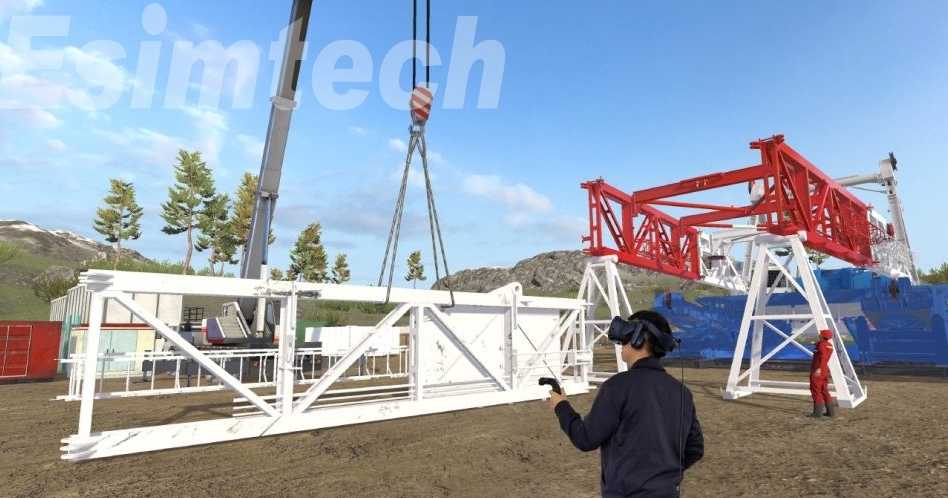
The energy industry faces a persistent challenge: a widening skills gap. As experienced rig installation specialists retire, transferring their deep tacit knowledge to a new generation becomes increasingly difficult. Simultaneously, the technological complexity of modern rigs continues to advance. This gap poses risks to safety, efficiency, and operational continuity. Dynamic simulation training is emerging as a key strategic tool to systematically close this gap and future-proof installation teams.
Understanding the Depth of the Skills Gap
The gap isn't merely a shortage of personnel; it's a deficit of hard-won experience. Veteran team members possess an intuitive understanding of equipment behavior, an ability to "listen to the rig," and years of pattern recognition for troubleshooting. This expertise, built over decades, cannot be fully captured in manuals alone. Replicating it requires experiential learning at scale.
Strategic Advantages of Simulator-Based Training for Teams
Simulators offer a multi-faceted approach to bridging this experiential divide and elevating entire teams:
Accelerated Experience Acquisition
Simulators compress time. A team can practice the complete installation of a complex top drive or BOP handling system multiple times in a week, encountering a wider variety of scenarios than they might in years in the field. This accelerated exposure builds collective experience rapidly.
Standardizing Best Practices Across the Crew
Simulation platforms ensure every team member—regardless of background—is trained on the same optimized, company-specific procedures. This creates a unified standard of work, reducing variability and ensuring that the proven methods of experts become the baseline for all.
Enhancing Crew Coordination and Communication
Modern simulators often feature multi-station setups that mimic the different roles on site (e.g., crane operator, floor crew, supervisor). Teams practice in a synchronized virtual environment, honing their communication, hand signals, and collaborative workflows under stress. This builds the non-technical "soft skills" that are critical for safe, synchronized operations.
Preserving and Transferring Tribal Knowledge
Veteran instructors can program simulators with rare, critical failure scenarios based on their personal experiences. This "tribal knowledge" of what can go wrong and how to respond becomes a permanent, transferable training asset, preserving institutional wisdom for future generations.
Building a Sustainable, Skilled Workforce
By integrating simulators into a continuous learning cycle, companies can proactively manage their talent pipeline. They can upskill existing crew members on new equipment models, cross-train personnel for multiple roles, and ensure that new hires are integrated into a culture of proficiency and safety. Ultimately, simulators transform the skills gap from a vulnerability into an opportunity—an opportunity to build more resilient, adaptable, and highly skilled installation teams ready to meet the demands of tomorrow’s drilling campaigns.