Categories
Tags
-
#Waste Oil to Base Oil Plant
#Well Control Simulators
#HFO Visbreaking
#Transformer Oil BDV Tester
#VR Emergency Training Simulator
#SF6 Gas Purification Machine
#Laser Cleaning
#Automatic Laser Welder
#Benchtop Pneumatic Dot Peen Markers
#Oil Well Work
#Portable Well Control Simulators
#well logging
#Petroleum Engineering
#virtual reality emergency training simulator
#Well Control Simulator
#Waste Oil to Base Oil Plants
#Portable Simulator
#Web Guide Systems
#Floating Rig
#Turbine Oil Filtration
#Land Rig Installation
#Clothes Drop Boxe
#Industrial Garbage Compactor
#Magnetic Powder Brakes
#acuum Hydraulic Oil Filtration Technolog
#Mobile Waste Compactor
Archives
Why Your Construction Site Needs a Mobile Waste Compactor
-
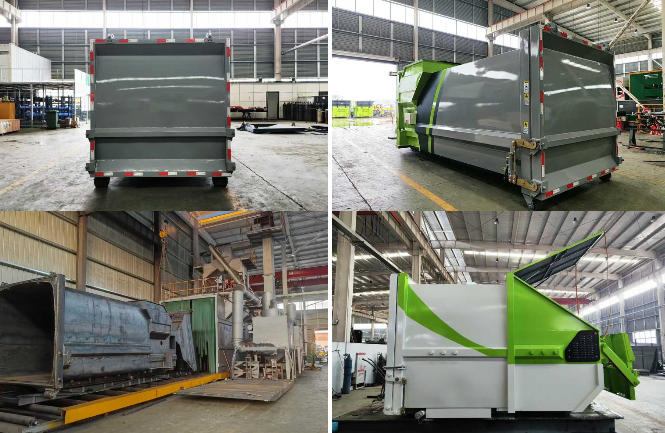
Managing waste on a construction site is often viewed as a necessary evil—a messy, costly, and inconvenient part of the building process. From broken concrete and rebar to lumber scraps and packaging materials, the waste generated can quickly overrun a job site if not managed correctly. While standard dumpsters might seem like the easy solution, forward-thinking project managers are turning to heavy-duty mobile waste compactors to revolutionize their site logistics. Implementing this equipment is not just about keeping a clean site; it is a strategic move that impacts your bottom line and your timeline.
Slashing Disposal Costs and Increasing Efficiency
The primary financial advantage of a heavy-duty mobile compactor lies in its ability to drastically reduce waste hauling costs. Waste management companies typically charge by the pull—the cost of dropping off an empty container and hauling away a full one. If your site is filling three standard dumpsters a day, you are paying for three pulls. A mobile compactor can condense the equivalent of three to four dumpsters worth of loose debris into a single, tightly compacted load. This means you pay for one hauling trip instead of four. Over the duration of a long-term construction project, these savings on transportation and landfill tipping fees can amount to tens of thousands of dollars, directly improving your project's profitability.
Optimizing Valuable Site Space
In urban environments or cramped residential developments, real estate on the construction site is at a premium. You need space for material storage, worker parking, crane operations, and equipment staging. A sprawling collection of dumpsters consumes this valuable square footage. A heavy-duty mobile waste compactor offers a smaller footprint while providing superior waste capacity. By compressing the waste as it is deposited, you need to empty the unit far less frequently, meaning the space dedicated to waste management stays small and organized. This frees up critical area for actual construction activity, improving workflow and reducing the clutter that can lead to accidents or misplaced materials.
Durability and Power for Demanding Materials
Construction debris is not household trash; it is heavy, abrasive, and tough. Standard compactors are not built to withstand the constant impact of concrete chunks, twisted steel, or dense hardwood. Heavy-duty mobile compactors are specifically engineered for this abuse. They feature thicker steel plate construction, reinforced hinges, and high-torque hydraulics capable of crushing the densest materials found on a site. This durability ensures that your investment keeps working shift after shift without costly breakdowns. By choosing a unit designed for the rigors of construction, you ensure that waste management becomes a seamless part of the workflow, rather than a recurring bottleneck caused by equipment failure.