Categories
Tags
-
#hot stamping foil slitting machine
#film slitting machine
#ribbon slitting machine
#ribbon slitter
#thermal transfer ribbon slitting machine
#barcode ribbon slitting machine
#foil slitting machine
#foil slitter
#hot foil slitting machine
#plastic film slitting machine
#film slitting machine manufacturers
#solar film slitter
#solar film slitting machine
#automotive solar film slitting machine
#car film slitting machine
#slitting and rewinding machine
#slitter rewinder machine manufacturers
#slitting and rewinding machine manufacturers
#slitter rewinder machine
#sliting and rewinding machine manufacturers
#automotive film slitting machine
#solar window film slitter
#car solar film slitting machine
#sun contral window film slitter
#hot foil slitting machines
#hot stamping foil slitter
Archives
Ribbon Slitting Machines: The Art of Tension Control
-
In the realm of modern industrial precision manufacturing, behind a seemingly ordinary ribbon slitting machine lies a subtle art - tension control. This art is not only about the stability of the machine, but also about the core of ribbon slitting quality, influencing the performance of countless products from office supplies to high-end electronic devices.
The Dance of Precision: The Essence of Tension Control
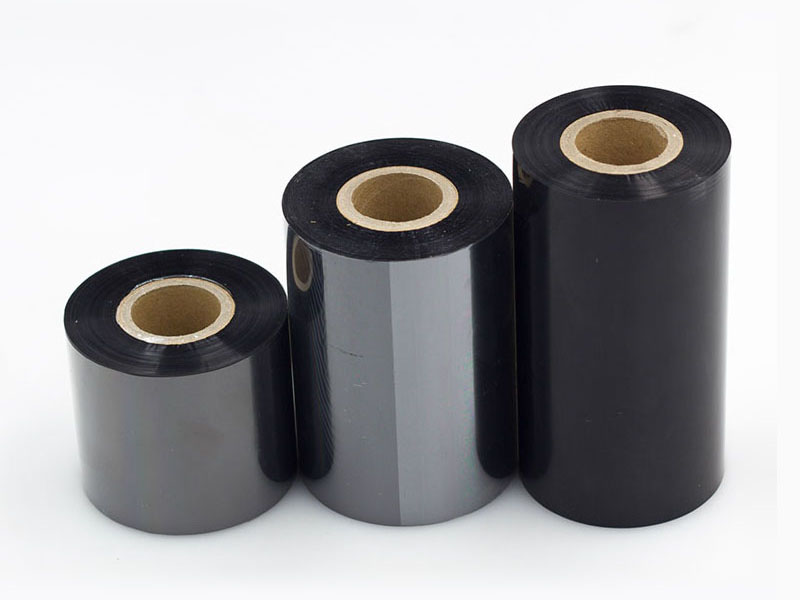
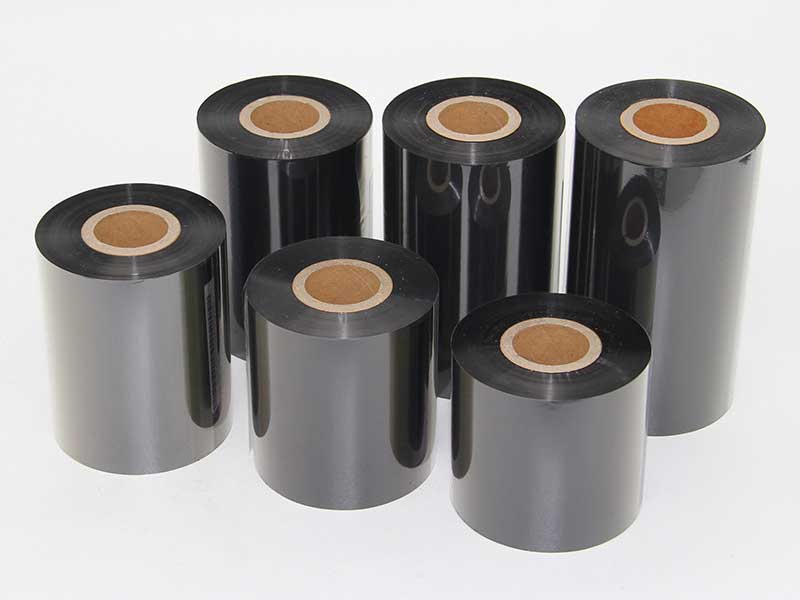
Ribbon slitting is a narrow band process that accurately cuts wide ribbon materials into specific widths, widely used in fields such as printer ribbons, electronic components, and medical devices. During the slitting process, the ribbon passes through the slitting knife at high speed, and any small tension fluctuations can lead to edge tearing, uneven width, or stretch deformation of the material, ultimately affecting the functional reliability of the end product.
Tension control is the soul of this precision dance. It's not just about "straining the material" but about the art of dynamic balance – maintaining just the right amount of tension within the material's elastic limits, ensuring that the material passes smoothly and steadily through the cut area while avoiding overstretching that can lead to deformation or breakage.
The Symphony of Technology: How Tension Control Comes to Life
The tension control system of modern ribbon slitting machines is like a symphony of precision, with multiple components working together:
The sensing system acts as the "ears" of the orchestra, monitoring tension changes in real time. Mechanical tension sensors, ultrasonic detectors, and visual identification systems work together to form a multidimensional perception network that captures everything from material properties to ambient temperature and humidity.
The actuators are the orchestra's "hands", including magnetic particle brakes, servo motors, and pneumatic control systems, which fine-tune tension based on sensing data with millisecond response times.
The control system acts as a "conductor", with advanced PID algorithms, fuzzy logic, and adaptive control techniques allowing machines to anticipate and compensate for potential tension fluctuations rather than just reacting to changes that have occurred.
Material path design is an often overlooked "stage layout", and reasonable guide roller layout, optimized corner wrapping and precise machining together provide a physical basis for tension stability.
Challenges and Innovations: Cutting-edge developments in tension control
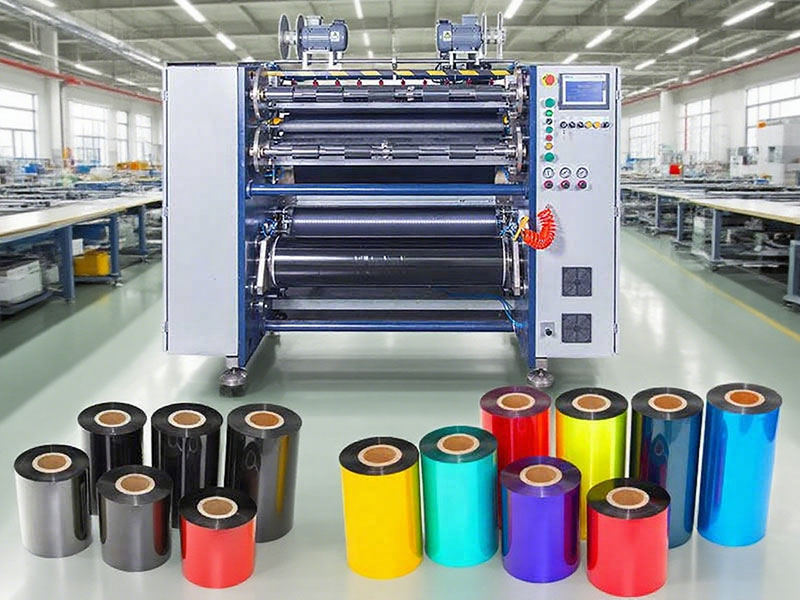
The diversity of ribbon materials poses a constant challenge to tension control. From traditional wax-based ribbons to hybrid and resin-based ribbons, differences in material properties require a high degree of adaptability and learning ability in the control system. Modern intelligent slitting machines can use machine learning algorithms to memorize the optimal tension curves of different materials and automatically retrieve the corresponding parameters the next time the same material is processed.
With the development of Industry 4.0, tension control is changing from an isolated parameter to a part of the smart manufacturing ecosystem. Through the Internet of Things connection, the slitting machine can receive information about the upstream coating process and the downstream slitting process in real time, and realize the coordinated control of the tension of the whole process. Digital twin technology allows engineers to simulate and optimize tension parameters in a virtual environment, significantly reducing actual commissioning time and material waste.
The Future of Art: A New Chapter in Tension Control
In the future, the tension control of the ribbon slitting machine will be more intelligent, adaptive and environmentally friendly. The application of nanoscale tension sensors, AI-based predictive maintenance systems, and energy recovery technologies will drive this technology to the next level.
But no matter how advanced, the core of tension control has always been the art of balance - finding the best balance between the rigid requirements of materials and flexible processing, between high-speed production and precision control, between automation and human experience. This balance is one of the most challenging and aesthetically pleasing art forms in industrial manufacturing.
The art of tension control in ribbon slitting machines confirms a profound industrial truth: the most cutting-edge technology often pursues a state of harmony that is closest to the laws of nature. Inside this machine, countless sensors, controllers, and actuators work together to create not only a perfectly segmented ribbon but also an artistic masterpiece that perfectly balances human intelligence and mechanical precision.