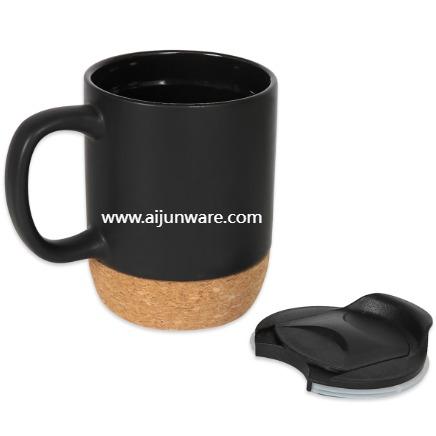
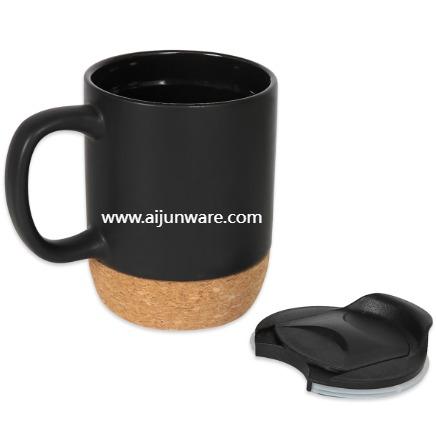
How Can You Keep Your Aijun Cork Bottom Mug Like New?
About
Your morning coffee routine deserves drinkware that combines style with durability, and many people choose products from a Cork Bottom Mug Factory for this exact reason. These vessels have gained popularity among those who value sustainable materials and appreciate the natural warmth that cork provides. However, the unique properties of cork require specific attention to ensure your mug remains functional and attractive throughout countless uses.
Cork acts as a natural insulator while protecting surfaces from heat and moisture, yet this organic material needs thoughtful care to maintain its integrity. Unlike conventional ceramic or plastic bases, cork can absorb liquids and accumulate residues that affect both appearance and performance. Understanding how to clean and preserve this material ensures your drinkware continues serving you well for many seasons ahead.
The foundation of proper cork care begins with recognizing what to avoid. Many people instinctively reach for harsh chemical cleaners when tackling stubborn stains, but these products can strip away the natural oils that keep cork supple and resistant to cracking. Similarly, soaking the cork base in water or placing your mug in the dishwasher exposes the material to excessive moisture that causes swelling, warping, and eventual deterioration. These common mistakes often occur because people treat cork like any other mug component, not realizing it demands gentler handling.
For routine maintenance, a slightly dampened cloth proves sufficient for removing everyday dust and minor spills. Gently wipe the cork surface in circular motions, being careful not to saturate the material with water. After cleaning, allow the base to air dry completely before storing or using your mug again. This simple practice prevents moisture from penetrating deep into the cork's porous structure where it can promote mold growth or cause the material to break down over time.
When dealing with more stubborn marks or stains, a mild soap solution offers effective cleaning without compromising cork integrity. Mix a small amount of gentle dish soap with water, creating a light lather. Dip a soft cloth or sponge into this mixture, wring out excess liquid, and carefully clean the affected areas. The key lies in using minimal moisture while applying enough friction to lift away residues. Rinse your cloth with plain water, wring it thoroughly, and wipe away any soap remnants from the cork surface.
Coffee rings and beverage stains pose particular challenges for Cork Bottom Mug owners. These marks develop when liquid seeps into the cork's tiny air pockets, leaving behind pigmented compounds that resist standard cleaning methods. For such situations, a paste made from baking soda and water creates a gentle abrasive that lifts stains without scratching. Apply this mixture sparingly to stained areas, let it sit briefly, then wipe clean with a barely damp cloth. This natural cleaning agent neutralizes odors while breaking down organic residues effectively.
Storage practices significantly influence how well your cork base withstands daily use. Placing mugs directly on damp countertops or storing them in humid environments accelerates cork degradation. Instead, keep your drinkware in dry spaces with good air circulation. Avoid stacking multiple mugs together in ways that trap moisture between them, as this creates conditions favorable for mildew development. If you notice your cork feeling particularly dry or showing small cracks, applying a food-safe cork sealant can restore flexibility and provide protective conditioning.
Temperature fluctuations present another consideration for maintaining cork integrity. Exposing your mug to sudden temperature changes, such as moving it from a cold refrigerator to a hot beverage immediately, can cause the cork to expand and contract rapidly. This stress may lead to separation from the mug body or create structural weaknesses. Allowing your drinkware to adjust gradually to room temperature before filling it with hot liquids helps prevent such damage.
Regular inspections help catch potential problems before they become serious. Check your Cork Bottom Mug periodically for signs of wear such as discoloration, crumbling edges, or loose attachment points. Addressing these issues promptly through targeted cleaning or reconditioning prevents further deterioration. Sometimes a cork base simply needs refreshing through light sanding with fine-grit sandpaper, which removes surface damage and reveals fresh material underneath.
The natural properties that make cork appealing also mean it requires patience and consistency in care routines. Unlike synthetic materials that tolerate neglect, cork responds well to regular attention and proper treatment. By incorporating these maintenance practices into your usual cleaning habits, you preserve both the functional benefits and aesthetic appeal that drew you to cork-based drinkware initially.
Taking care of your mug's cork foundation need not feel burdensome or complicated. With awareness of what protects versus damages this natural material, you can develop simple habits that keep your drinkware looking attractive and performing reliably. For those interested in exploring various options or replacing worn components, visiting https://www.aijunware.com/product/ provides access to quality drinkware solutions designed with both form and function in mind. Thoughtful selection paired with proper maintenance creates a satisfying ownership experience that honors the craftsmanship behind these practical yet elegant pieces.