Categories
Tags
-
#R134aRefrigerantCan
#Lanyan
#AutomotiveAC
#Refrigerant Gas Can
#Bluefirecan
#refrigerant packaging
#Aerosol Can Valve
#Aerosol Packaging
#Spray Technology
#Precision Dispensing
#Sustainable Design
#Leak-Proof System
#Industrial Solutions
#450g Gas Canister
#Outdoor Cooking
#Camping Gear
#Camping Gas Cartridge
#Portable Fuel
#Bluefire
#screw-top cartridge
#outdoor fuel
#eco-friendly fuel
#high-pressure safety
#leak-proof cartridge
#Reliable Camping Fuel for All Adventures
#aerosol products
#eco-friendly packaging
#Refrigerant Gas Can Manufacturer
#Bluefirecans Refrigerant Gas Can
#100g Gas Cartridge Supplier
#Gas Cartridge
#Bluefirecans Gas Cartridge
#EN417 Valve
#EN417 Valve Manufacturer
#Bluefirecans EN417 Valve
#Aerosol Valve Manufacturer
#Aerosol Valve
#Bluefirecans Aerosol Valve
#Aerosol Can Valve Factory
#Bluefirecans Aerosol Can Valve
#100 Gram Fuel Canister
#Fuel Canister Factory
#Bluefire 100 Gram Fuel Canister
Archives
Bluefire Friendly Stoves That Fit Small Fuel Canisters
-
Posted by Bluefire Lanyan Filed in Technology #100 Gram Fuel Canister #Fuel Canister Factory #Bluefire 100 Gram Fuel Canister 0 views
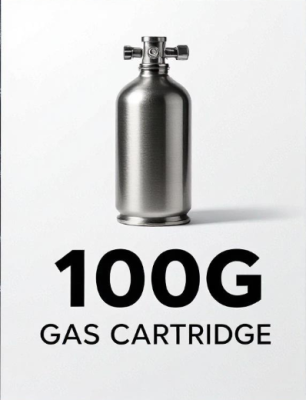
Choosing the right stove for lightweight outdoor cooking can make a routine trip feel more manageable and more enjoyable. Bluefire 100 Gram Fuel Canister is a compact option many backpackers carry and that reality changes how you evaluate stove compatibility and fuel use. This guide covers practical factors that matter for modern campers urban adventurers and anyone who values simple reliable meal prep on the move.
Match stove form to how you travel. Common styles include screw on burners small burner heads and remote connection systems. Each style trades off control convenience and footprint. If you want quick boils and minimal setup choose a burner that mounts directly to the canister. If you want steadier simmering and a wider platform consider a model that offers larger pot supports or a remote mount.
Pay attention to fuel efficiency and flame control. Fuel use varies with heat output pot size and ambient conditions. A stove with a broad simmer range gives more options for gentle tasks while a high output burner speeds boil times when conditions are challenging. Balance burn rate and adjustment needs around the meals you plan to prepare.
Wind and colder conditions affect performance. A shielded burner or a pot support that reduces heat loss improves fuel economy. If your route goes into exposed terrain expect higher consumption. Prioritize stable ignition and a steady flame so you avoid troubleshooting in poor conditions.
Weight and packability matter. Small stoves save ounces while still offering usable power. Think of the stove as part of a system that includes fuel storage your pots and any wind protection. Kits that nest together reduce bulk and the chance of losing parts. For day trips pick simple controls and fast setup. For multi day outings accept a slight carry cost if it gives stability or better fuel economy.
Safety and compatibility are essential. Confirm that the attachment matches your canister shape and that the base sits stable under a pot. Clear controls and pressure features reduce misuse. Carry spare seals and a small tool if the design needs periodic adjustment. Proper storage lowers the chance of leakage in warm vehicles or closed packs.
Match cooking style to stove features. For mostly boiling water a high output unit is sensible. For more complex meals choose a stove with finer flame adjustment and better pot support. Your pots matter because rim width and weight affect stability and heat transfer. Try to match stove and pot to get efficient performance.
Test at home before the first field use. Run a few boil and simmer cycles in calm and in windy spots to set expectations. Practice folding supports and operating controls until setup is routine. Small habits like keeping the canister upright when lighting and positioning pot handles away from the flame cut incident risk.
Serviceability and spare parts count over time. Clean jets per the manual and do not force debris that could alter jet profile. Replace seals when worn and keep the stove dry between trips. Some designs allow basic cleaning in the field while others require a kit. If you value serviceability pick models that give user access to jets and seals.
Create a short checklist to simplify choice on the trail. Include items such as attachment fit simmer range wind protection stability and service access. Note whether the stove requires tools for maintenance and whether replacement parts are available.
Think through common scenarios. For quick overnight trips a tiny stove that boils water fast and stores neatly may be ideal. For basecamp style outings a stove with extra stability and finer control performs better. Urban roof top camping with transport restrictions favors compact designs that nest.
Consider environmental factors and etiquette. Cook away from flammable vegetation use a heat mat on delicate surfaces and follow local rules about fires and fuel use. Pack out trash and empty canisters where facilities exist.
Finally match accessories to the stove. A pot with a snug lid improves boil times and fuel use. A small kettle can reduce spills and speeds pouring. A lightweight windscreen can boost efficiency but test compatibility because some windscreens trap heat and increase pressure in the canister when used improperly.
Budget your fuel use when pairing with small containers. Each meal becomes a planning item when canisters hold limited amounts. A stove that maintains consistent output across a canister stretch reduces the need to carry extra fuel. For many users the compromise of setup speed simmer control and fuel efficiency defines the right pick.
Final checks before departure include a field dress rehearsal packing the stove with a full canister and confirming threads seals and ignition. If you need a model that works well with a 100 Gram Fuel Canister check compatibility and practice safe handling. For additional product inquiries and availability visit https://www.bluefirecans.com/ .