When Watermelons Collide: A Relaxing Guide to the Suika-Style F
-
Introduction
There’s something quietly satisfying about puzzle games that feel simple at first glance, then slowly reveal surprising depth. Watermelon-themed “drop-and-merge” puzzles are a great example: you place small pieces, they bump and roll, and—if you plan well—they combine into bigger pieces. The charm comes from the mix of gentle chaos and thoughtful control.
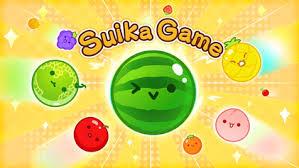
A popular reference point for this style is Suika Game, which helped make the “merge fruit into a watermelon” idea widely recognizable. Whether you’re playing that version or a similar watermelon puzzle, the core experience is the same: you’re building order out of bouncy physics, one careful drop at a time.
Gameplay: How the Watermelon Puzzle Works
At its heart, the watermelon puzzle is a merge game with gravity and physics. You’re given a stream of small fruits (or fruit-like pieces), and your job is to drop them into a container. When two identical fruits touch, they merge into the next larger fruit. Keep merging, and eventually you’ll create the biggest goal piece—often a watermelon.
Here’s the typical flow:
- You receive the “next fruit.”
The game shows what you’ll drop. Many versions also preview the fruit after that, which matters more than you’d expect. - You choose where to drop it.
You can usually slide left and right before letting go. Once it falls, physics takes over: it bounces, rolls, and nudges other pieces. - Matching pairs merge on contact.
Two grapes become a cherry, two cherries become a strawberry, and so on (the specific fruit ladder depends on the game). This is the main way you make space. - The container slowly fills up.
The tension comes from height. If your pile rises too high and crosses the top boundary, it’s game over. - Score rewards both merges and efficiency.
Bigger merges usually give more points, but surviving longer also creates more chances to chain merges and recover from messy moments.
What makes this puzzle interesting isn’t complicated rules—it’s the constant negotiation between planning (where you want things to go) and adaptation (where they actually end up after bouncing around). A single clumsy drop can ruin a tidy layout, but one lucky bounce can also save a run. That push-and-pull is what keeps people saying, “One more try.”
Tips: How to Enjoy It More (and Last Longer)
You don’t need perfect play to have fun with watermelon puzzles, but a few habits make the experience smoother and more rewarding.
1. Build “lanes,” not piles
A common beginner mistake is stacking everything into one tall tower. Instead, try creating two or three working zones across the container. This gives you room to organize: one side for small fruits, another for medium fruits, and a “merge zone” where you try to combine pairs.
2. Respect the bounce
Fruit doesn’t drop like a block—it rolls. If you aim right on top of a curved fruit, your new piece might slide off and land somewhere you didn’t intend. When possible, drop onto flatter surfaces or between pieces to reduce unpredictable movement.
3. Keep small fruits from scattering
Small fruits are the hardest to control because they squeeze into gaps and can clutter the base. If you know you’ll need to merge two tiny fruits soon, try to place them near each other early, before the bottom gets crowded with awkward holes.
4. Don’t chase the biggest merge too early
It’s tempting to aim straight for the watermelon (or the top-tier fruit), but the real danger is losing space. Focus first on staying low and stable. Big merges will come naturally if you keep the board manageable.
5. Use the preview to reduce bad surprises
If the game shows the next fruit (or the next two), use that information. For example, if you’re holding a fruit that needs a partner to merge, and you see that the same fruit is coming next, you can set up a clean pairing—saving space and avoiding awkward “parking” moves.
6. Create safe “parking” spots
Sometimes you get a fruit that doesn’t fit your current plan. It helps to maintain a small, low-risk area where you can temporarily place an odd piece without destroying your setup. Think of it like a shoulder on a highway: not where you want to drive, but where you can safely stop.
7. When the board is high, prioritize space over points
Late in a run, the main threat is overflow. At that stage, it’s usually better to make a smaller merge that clears space than to hold out for a high-value merge that might never arrive. Staying alive gives you more drops, and more drops create more opportunities.
8. Accept messy moments—then clean them up
These games are partly about recovery. If a drop goes wrong and creates a lopsided heap, shift into “cleanup mode”: stop attempting ambitious combos and instead merge whatever is easiest to stabilize the base. The best runs often include at least one near-disaster that you successfully tidy up.
Conclusion
Watermelon-style merge puzzles are easy to learn, calming to play, and surprisingly strategic once you start caring about board shape, bounce behavior, and long-term space management. They’re also great “in-between” games—something you can enjoy for a few minutes, then accidentally spend an hour trying to beat your last score.
If you’re curious about this style, Suika Game is a useful example to understand the core loop: drop, merge, manage space, repeat. Take it slow, embrace the occasional chaos, and treat each run like a small puzzle story you’re improvising one fruit at a time.
- You receive the “next fruit.”