Categories
Tags
-
#R134aRefrigerantCan
#Lanyan
#AutomotiveAC
#Refrigerant Gas Can
#Bluefirecan
#refrigerant packaging
#Aerosol Can Valve
#Aerosol Packaging
#Spray Technology
#Precision Dispensing
#Sustainable Design
#Leak-Proof System
#Industrial Solutions
#450g Gas Canister
#Outdoor Cooking
#Camping Gear
#Camping Gas Cartridge
#Portable Fuel
#Bluefire
#screw-top cartridge
#outdoor fuel
#eco-friendly fuel
#high-pressure safety
#leak-proof cartridge
#Reliable Camping Fuel for All Adventures
#aerosol products
#eco-friendly packaging
#Refrigerant Gas Can Manufacturer
#Bluefirecans Refrigerant Gas Can
#100g Gas Cartridge Supplier
#Gas Cartridge
#Bluefirecans Gas Cartridge
#EN417 Valve
#EN417 Valve Manufacturer
#Bluefirecans EN417 Valve
#Aerosol Valve Manufacturer
#Aerosol Valve
#Bluefirecans Aerosol Valve
#Aerosol Can Valve Factory
#Bluefirecans Aerosol Can Valve
#100 Gram Fuel Canister
#Fuel Canister Factory
#Bluefire 100 Gram Fuel Canister
#Two-Piece Aerosol Can
#Two-Piece Aerosol Can Manufacturer
#Bluefirecans Two-Piece Aerosol Can
#Gas Canister Manufacturer
#Bluefirecans Gas Canister
#Camping Gas Cartridge Factory
#Bluefirecans Camping Gas Cartridge
Archives
Should you warm a canister before use?
-
Posted by Bluefire Lanyan Filed in Technology #Camping Gas Cartridge #Camping Gas Cartridge Factory #Bluefirecans Camping Gas Cartridge 1 view
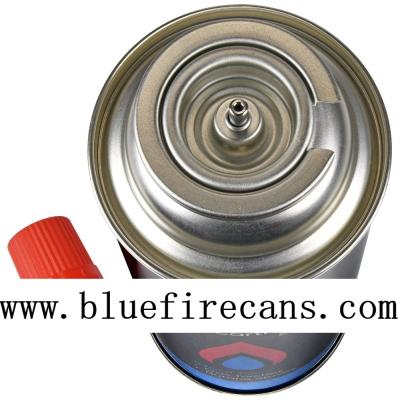
When an unexpected cold front rearranges weekend plans it helps to think ahead about the gear that makes simple meals possible outdoors. The small and handy Camping Gas Cartridge , when chosen with cold weather in mind, can keep a campsite warm and a pot boiling when temperatures dip. Picking the right cartridge type and storing it correctly are two small decisions that prevent last minute disappointment and keep outings safe.
Not all cartridge fuels behave the same when the mercury drops. Certain blends that include isobutane and propane are commonly recommended because they maintain useful vapor pressure at lower temperatures compared with plain butane. That difference matters at the stove valve where steady pressure turns liquid fuel into the gas that burns. Technical discussions from reputable outdoor sources explain why blends are preferred for colder conditions.
The practical result for people who camp in cooler weather is simple. Choose a cartridge whose composition is suited to lower temperatures and opt for designs meant for threaded camp stoves when your kit requires that fit. Many outdoor brands publish guidance showing which mixes are intended for seasonal use and how to match them to a stove. This makes planning easier for families and groups who want consistent performance without complicated gear changes.
Why does this matter today? Conversations about resilient travel and making modest supply choices have become common in popular media. When local conditions shift quickly some shoppers prefer to carry fuel that is reliable in a range of conditions. Choosing a canister that resists pressure loss in cold weather reduces the chance of an interrupted meal or an abandoned stove. Outdoor retailers and manufacturers have responded by offering more options aimed at all season use.
Beyond fuel chemistry there are everyday habits that extend usefulness. Keep cartridges at room temperature before heading out and avoid leaving them inside hot vehicles or in direct sunlight during summer. Store them upright in a ventilated area away from ignition sources and avoid packing them under sharp items that might compromise the casing. When in the field, warming a canister with body heat or using a mild insulating wrap can be a short term measure to sustain pressure while cooking. These are sensible steps that many seasoned campers take without fuss.
If you are evaluating brands for cold weather reliability you may also want to review manufacturer notes about compatibility and safe handling. Producers that provide clear notes on thread types valve care and safe disposal help reduce confusion and support safer use by newcomers. A clear product description and user guidance also make it easier to choose a cartridge that fits the stove and the conditions you expect to encounter.
In the end equipment choices and small habits work together. Selecting a cartridge with a favorable cold weather mix and treating it with sensible storage and use routines keeps trips running smoothly. That approach helps both casual campers and regular outdoor users make fuel last longer without risking safety or performance. If you want to compare options and read manufacturer guidance on portable fuel cartridges visit https://www.bluefirecans.com/ .