In industrial chemistry, oxidizing agents play a critical role in numerous manufacturing processes, and
potassium perchlorate (KClO₄) stands out as a stable, high-performance option for sectors requiring reliable oxidization. Classified under Hazard Class 5.1 (Oxidizing Substances), this chemical is carefully regulated due to its properties, yet it remains indispensable for a range of legitimate industrial applications. This article explores its key specifications, hazard classification, packaging, and uses to provide clarity for businesses and professionals in relevant fields.
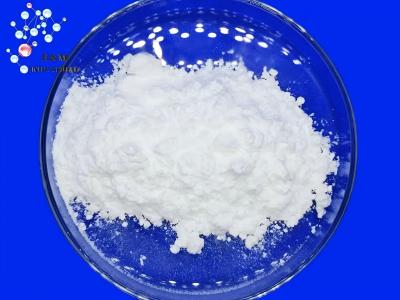
Potassium perchlorate is identified by its CAS number 7778-74-7 and UN number 1489, with a molecular formula of KClO₄. It presents as a white crystalline solid or powder (sometimes referred to as “quicksand white powder&rdquo

and exhibits distinct physical properties: soluble in water but insoluble in alcohol. The industrial-grade potassium perchlorate featured in product listings boasts a high purity level of 99.2%, ensuring consistency and effectiveness in specialized processes where precision is non-negotiable. Backed by strict quality control measures, the product also comes with essential documentation—including TDS (Technical Data Sheet) and MSDS (Material Safety Data Sheet)—to support safe handling and regulatory compliance.
As a Hazard Class 5.1 substance, potassium perchlorate is classified as an oxidizing agent, meaning it can enhance combustion or support fire when in contact with flammable materials. This classification underscores the importance of adhering to proper safety protocols, including secure storage in well-ventilated areas, separation from incompatible substances, and use of appropriate personal protective equipment (PPE). For businesses sourcing the chemical, understanding its hazard classification is critical to ensuring workplace safety and compliance with local and international regulations.
Packaging and logistics are key considerations for industrial chemicals, and potassium perchlorate is designed for practicality and safety. It is available in two primary packaging options: drums or woven bags lined with plastic, with net weights of 50KG per drum/bag or 25KG per bag. Customers can also choose between palletized or non-palletized shipments, with a maximum loading capacity of 27 tons per 20ft container—optimizing efficiency for large-scale industrial orders. All packaging is engineered to prevent leakage and maintain product integrity during transportation and storage.
The versatility of potassium perchlorate makes it a sought-after material across multiple industries. Its primary applications include the production of incendiaries, fireworks, and safety matches, where its oxidizing properties contribute to reliable combustion and effect. Beyond pyrotechnics, it is used in the manufacturing of antipyretic medications, luminescent signals, chemical analysis reagents, smoke agents, and flame agents. It also serves as a key oxidant in various chemical processes and the pharmaceutical industry, highlighting its broad utility in legitimate industrial settings.
For businesses seeking a reliable source of industrial-grade potassium perchlorate, reputable suppliers offer detailed product listings that outline key specifications, hazard information, and logistics details. The potassium perchlorate available through trusted channels is manufactured in China, adhering to international quality standards and providing transparency for informed purchasing decisions. Whether for pyrotechnic manufacturing, pharmaceutical production, or chemical processing, this compound delivers the stability and performance required for demanding industrial applications.
In summary, potassium perchlorate (CAS 7778-74-7) is a vital Hazard Class 5.1 oxidizing agent with a range of industrial uses. Its high purity, well-defined properties, and practical packaging make it a reliable choice for businesses requiring consistent oxidization performance. By prioritizing safety compliance and sourcing from reputable suppliers, industries can leverage the benefits of this chemical while mitigating potential risks.