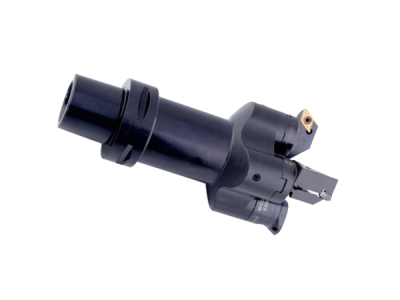
Using the PSC Tool Holder: Boosting Precision
-
In modern CNC machining, tool holders are more than just connectors — they are critical for accuracy, rigidity, and efficiency. Among the most sought-after tooling solutions today is the PSC tool holder, which has been trending in Google searches due to its benefits in high-precision machining, repeatability, and modular tool changes.
Common trending search topics include ISO 26623 tooling standards, Capto vs PSC, tool holder repeatability, rigidity, and quick-change tooling systems. This post explains what PSC holders are, why they are trending, their advantages, applications, and includes a helpful FAQ section.
What Is a PSC Tool Holder?
A PSC tool holder is a tooling interface standardized under ISO 26623. It features a polygonal tapered shank combined with face contact to attach the holder to the spindle. Unlike traditional taper holders, PSC holders engage both the polygonal and face surfaces, providing:
-
High rigidity and vibration resistance
-
Superior torque transmission
-
Micron-level repeatability
-
Fast, modular tool changes
This dual-contact design ensures stability, precision, and reliability — key reasons why PSC holders are trending in machining discussions.
PSC Tool Holder Series — XiRay Tools
For manufacturers seeking robust PSC tooling, the PSC Tool Holder Series from XiRay Tools offers a comprehensive lineup for precision CNC operations.
🔗 Explore the PSC Tool Holder Series: PSC Tool Holder Series
Key Features
-
Polygonal taper interface for stronger torque transmission
-
Dual contact (taper + face) for enhanced rigidity
-
High repeatability and positioning accuracy
-
Modular quick-change design to reduce setup time
-
Internal coolant compatibility for improved chip evacuation and tool life
Common Tool Types
-
Turning tool holders
-
Milling tool holders
-
Boring holders
-
Drilling holders
-
Modular adapters
This series supports a wide range of operations — from heavy cutting to precision finishing — while maintaining high stability.
Why PSC Tool Holders Are Trending
-
ISO 26623 Standardization: Ensures compatibility and consistency across machines
-
Capto vs PSC: Engineers compare performance, rigidity, and modularity
-
Precision & Repeatability: PSC holders deliver micron-level positioning and reduced runout
-
Quick-Change Tooling: Modular design reduces downtime in high-mix production
Key Advantages
-
High Rigidity: Dual-contact design minimizes vibration, improving surface finish.
-
Repeatability: Pre-set tools can be replaced with minimal deviation.
-
Fast Tool Changeover: Modular components reduce setup and downtime.
-
Strong Torque Transmission: Supports high loads for demanding machining.
-
Versatile Machining: Works with rotating (milling/drilling) and stationary (turning/boring) tools.
Typical Applications
-
Automotive: Engine blocks, transmission components
-
Aerospace: Structural parts, turbine components
-
Heavy Equipment & Energy: Housings, pump components
-
Mold & Die Making: Complex surfaces and high-quality finishes
Best Practices
-
Keep contact surfaces clean
-
Use proper clamping torque
-
Inspect holders regularly
-
Utilize internal coolant where possible
-
Store holders to protect precision surfaces
Frequently Asked Questions (FAQs)
1. What does PSC stand for?
Polygonal Shank Coupling — a standardized ISO 26623 tool holder interface.2. How does PSC differ from traditional holders?
It uses polygonal + face contact, unlike traditional taper-only holders, for higher rigidity and repeatability.3. Is PSC the same as Capto?
PSC follows ISO standards; Capto was originally proprietary. Many PSC holders are compatible with Capto machines.4. What sizes are available?
PSC32, PSC40, PSC50, PSC63, PSC80, PSC100.5. Do PSC holders improve machining accuracy?
Yes — high rigidity and dual contact reduce runout and improve precision.6. Can PSC holders be used for both turning and milling?
Yes — PSC supports both rotating and stationary tools, ideal for multitasking CNC machines.7. Why are manufacturers searching for PSC tooling?
PSC holders offer rigidity, repeatability, modularity, and quick-change capabilities, making them ideal for modern CNC operations. -