Categories
Tags
-
#Waste Oil to Base Oil Plant
#Well Control Simulators
#HFO Visbreaking
#Transformer Oil BDV Tester
#VR Emergency Training Simulator
#SF6 Gas Purification Machine
#Laser Cleaning
#Automatic Laser Welder
#Benchtop Pneumatic Dot Peen Markers
#Oil Well Work
#Portable Well Control Simulators
#well logging
#Petroleum Engineering
#virtual reality emergency training simulator
#Well Control Simulator
#Waste Oil to Base Oil Plants
#Portable Simulator
#Web Guide Systems
#Floating Rig
#Turbine Oil Filtration
#Land Rig Installation
#Clothes Drop Boxe
#Industrial Garbage Compactor
Archives
How Clothes Drop Boxes Contribute to Circular Economy Models
-
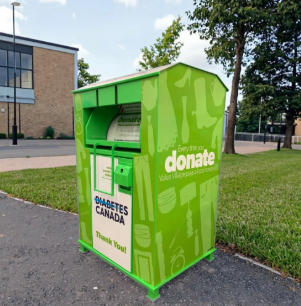
The linear fashion model of "take, make, dispose" is buckling under its own environmental weight. As we seek sustainable solutions, the humble clothes drop box emerges as a surprisingly powerful player, acting as a critical gateway to circular economy models. By diverting textiles from landfills, these bins facilitate a system where resources are kept in use for as long as possible.
Diverting Waste and Closing the Loop
The most immediate contribution of clothes drop boxes is waste diversion. Every bag of clothing placed into a bin represents materials saved from the landfill or incinerator. In a circular model, there is no "end of life" for products, only new beginnings. These drop boxes serve as the essential collection point, intercepting valuable textile fibers and feeding them back into the economic cycle, whether through reuse, recycling, or repurposing.
Extending the Lifespan of Garments
A core principle of the circular economy is maximizing product use. Clothes drop boxes are instrumental in this. Collected items are sorted, and a significant portion—especially high-quality, wearable clothing—is redistributed to second-hand markets locally or globally. This gives garments a second, third, or even fourth life, drastically reducing the need for virgin resources and the environmental impacts associated with producing new clothes.
Creating Raw Materials for Recycling
Not every donated item is suitable for rewearing. Clothes drop boxes also capture damaged or heavily worn textiles. In a circular system, these are not trash. Instead, they become feedstock for recycling industries. Fabrics can be broken down into fibers for insulation, carpet underlays, or even new yarns. By aggregating these materials, drop boxes ensure a steady supply of raw materials for industrial processes, closing the material loop.
Raising Consumer Awareness and Participation
Circularity requires a shift in consumer behavior. Clothes drop boxes, visibly placed in communities, provide a tangible and convenient way for individuals to participate. They act as a constant physical reminder of the value in "old" clothes and the importance of responsible disposal. This fosters a culture of reuse and conscious consumption, which is foundational for the broader adoption of circular economy principles.
Supporting Social Enterprise and Local Economies
Many clothes drop boxes are operated by charities or for-profit recyclers who fund social programs. The revenue generated from selling donated textiles supports community initiatives, job creation in sorting and logistics, and affordable clothing access. This injects social value into the material loop, creating a circular model that benefits both the environment and the community, making the system more resilient and impactful.
In essence, clothes drop boxes are far more than just metal bins. They are active nodes in an emerging circular network, capturing value, conserving resources, and engaging the public in building a more sustainable fashion ecosystem.