
Categories
Tags
-
#hot stamping foil slitting machine
#film slitting machine
#ribbon slitting machine
#ribbon slitter
#thermal transfer ribbon slitting machine
#barcode ribbon slitting machine
#foil slitting machine
#foil slitter
#hot foil slitting machine
#plastic film slitting machine
#film slitting machine manufacturers
#solar film slitter
#solar film slitting machine
#automotive solar film slitting machine
#car film slitting machine
#slitting and rewinding machine
#slitter rewinder machine manufacturers
#slitting and rewinding machine manufacturers
#slitter rewinder machine
#sliting and rewinding machine manufacturers
#automotive film slitting machine
#solar window film slitter
#car solar film slitting machine
#sun contral window film slitter
#hot foil slitting machines
#hot stamping foil slitter
Archives
analysis of the core functions of ribbon slitting machine
-
In many industries such as label printing, product identification, and logistics management, ribbon is a key consumable in thermal transfer printing technology, and its quality directly determines the printing effect and durability. As the core equipment of the back-end process of ribbon production, ribbon slitting machines play a pivotal role in controlling costs, improving efficiency, and ensuring product quality. This article will provide an in-depth analysis of the core functions of ribbon slitting machines and explore how they achieve the dual goals of "reducing costs and increasing efficiency".
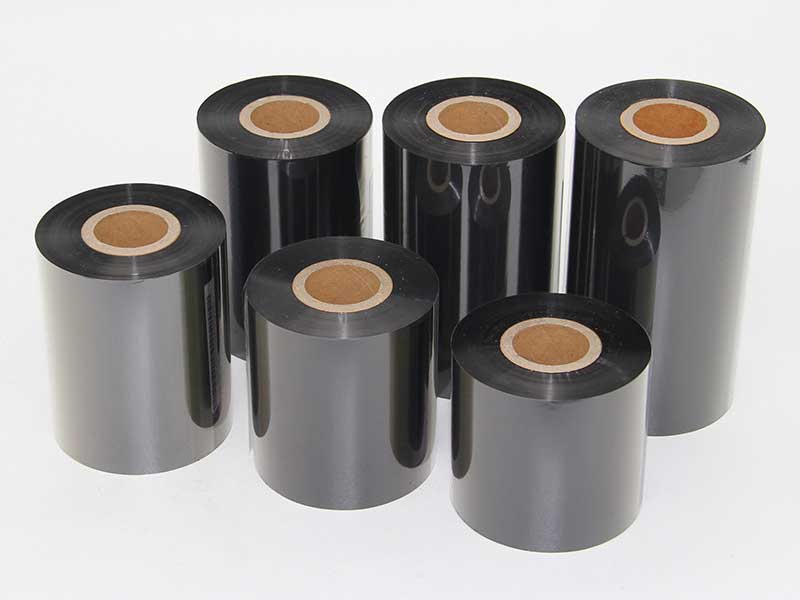
1. Precision slitting: from large coil master coil to customer-customized specifications
The most basic and important function of the ribbon slitting machine is to precisely slitting the produced large wide master ribbon according to the width required by the customer. This process may seem simple, but it actually contains high technical requirements:
• High-precision cutting system: Ultrasonic cutting, precision blade or laser cutting technology is used to ensure that the slitting edge is flat and smooth, without burrs or curls. This precision cutting can reduce cassettes and breakage during the printing process, directly reducing user usage loss and downtime.
• Automatic tension control: Maintain constant tension throughout the slitting process to avoid stretching deformation or sagging of the ribbon, ensuring consistent print performance on every meter of ribbon. Stable tension control reduces material waste and improves yield.
• Flexible adaptation of multiple specifications: Modern slitting machines can quickly adjust the slitting width to adapt to different customer needs from a few millimeters to tens of millimeters, achieving flexible production of small batches and multiple varieties, and reducing inventory pressure.
2. Intelligent testing: quality control is front-ended
Traditional ribbon quality issues are often discovered when the client uses them, leading to batch losses and reputation risks. Modern ribbon slitting machines integrate a variety of intelligent inspection systems to bring quality control to the slitting process:
• Visual defect detection: Real-time monitoring of ribbon surfaces through high-resolution cameras, automatically identifying defects such as uneven coatings, bubbles, impurities, scratches, etc., and marking or rejecting problem segments.
• Thickness and Density Monitoring: Continuously measure ribbon thickness and coating density with sensors to ensure product consistency and avoid differences in print density due to uneven thickness.
• Intelligent joint processing: Automatically detects and securely connects ribbon breakpoints, ensuring joint strength and smoothness, reducing the risk of client printing interruptions.
These inspection capabilities significantly reduce the outflow rate of defective products, move quality costs forward from the aftermarket to the production process, and achieve more cost-effective quality control.
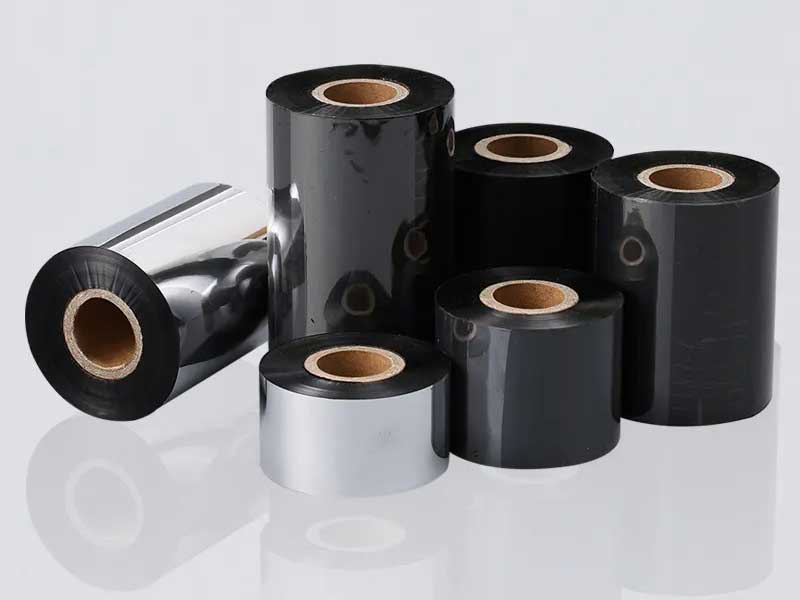
3. Efficient winding and packaging: reduce labor and improve efficiency
The rewinding quality after slitting directly affects the experience of ribbon in the printer. The high-end slitting machine is fully optimized in this regard:
• Automatic rewinding technology: Automatically complete full roll switching without stopping the machine, achieve continuous production, and increase equipment utilization by more than 30%.
• Precise winding control: Servo motors and intelligent algorithms are used to ensure consistent winding compactness and neat end faces, avoiding problems such as collapse and eccentricity, and reducing damage during transportation and storage.
• Integrated packaging preparation: Some advanced equipment can directly load the slitted ribbon into the mandrel, add protective end caps, and even carry out preliminary packaging, greatly reducing the labor requirements of the subsequent process.
4. Data management: the production process is transparent and controllable
Modern ribbon slitting machine is not only a mechanical equipment, but also a data acquisition terminal:
• Real-time monitoring of production data: track the slitting parameters, quality data, and production time of each ribbon to form a complete production file and achieve full traceability.
• Efficiency analysis and optimization: The system automatically analyzes equipment operation efficiency, preparation time, and fault causes to provide data support for continuous improvement.
• Integration with ERP/MES systems: Upload production data directly to the enterprise management system to achieve real-time synchronization of order progress, inventory status, and production plans, and optimize supply chain management.
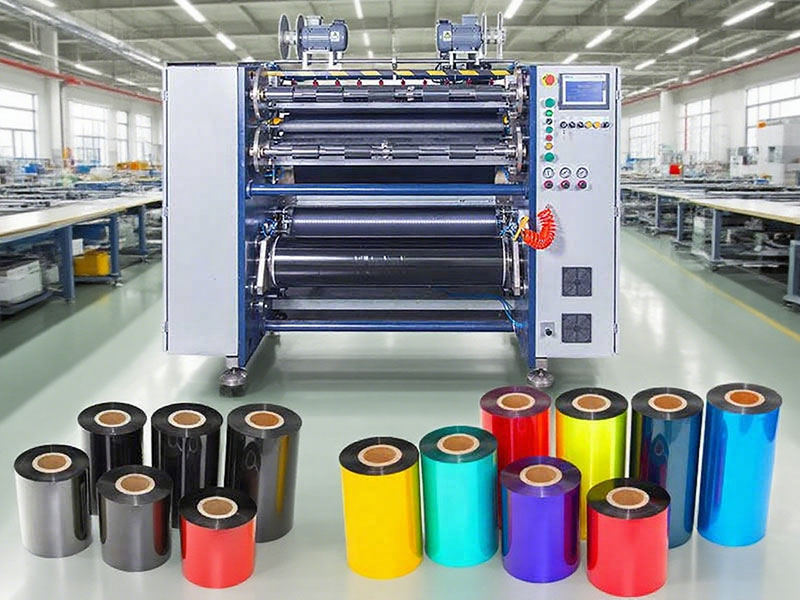
5. Energy conservation and consumption reduction: practitioners of green production
In the context of the "double carbon" goal, the ribbon slitting machine is also evolving in terms of energy saving:
• Efficient drive system: Adopts energy-saving motor and frequency conversion technology to automatically adjust energy consumption according to the actual load, saving 20%-30% energy compared to traditional equipment.
• Maximize material utilization: Through intelligent scheduling and precise control, the offcuts and scrap rates are minimized, and the material utilization rate of some equipment can reach more than 99.5%.
• Low-maintenance design: Long-life components and modular design reduce maintenance frequency and spare parts consumption, reducing full life cycle costs.
Conclusion: Small equipment, big value
As a key link in the ribbon industry chain, the value of ribbon slitting machine has gone far beyond the simple "slitting" function. Through the synergy of the five core functions of precision slitting, intelligent detection, efficient winding, data management and energy-saving design, modern ribbon slitting machine truly realizes:
• Cost reduction: Reduce material waste, reduce defect rates, save labor costs, and optimize energy consumption
• Efficiency: Improve production efficiency, speed up order response, improve equipment utilization, and strengthen quality control
In today's increasingly fierce competition in the manufacturing industry, investing in advanced ribbon slitting technology is no longer a simple equipment upgrade, but a strategic choice for enterprises to build cost advantages, quality advantages and response speed advantages. Those enterprises that are good at using such "small equipment" to create "big value" will surely win greater competitive advantages and sustainable development capabilities in the market.