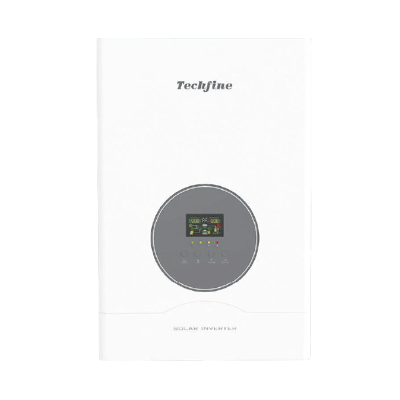
Converting Sunlight to Usable Power: The Role of a PV Inverter
-
A PV inverter is a critical electronic device that serves as the essential link between a photovoltaic (PV) solar array and the electrical grid or a building's AC power system. Its fundamental purpose is to convert the direct current (DC) electricity generated by solar panels into alternating current (AC) electricity that matches the voltage, frequency, and phase of the utility grid. This conversion process enables the solar-generated power to be used by standard household appliances, fed into the public electricity network, or stored in battery systems. Without an efficient PV inverter, the energy harvested from sunlight would remain incompatible with most modern electrical infrastructure.
The core technology within a PV inverter involves sophisticated power electronics. Semiconductor switches, typically insulated-gate bipolar transistors (IGBTs) or MOSFETs, are rapidly switched on and off to create a pulsating DC waveform. This waveform is then smoothed and shaped by filters into a pure sine wave matching grid specifications. Modern inverters incorporate Maximum Power Point Tracking (MPPT) algorithms, which continuously adjust the electrical operating point of the solar array to extract the maximum possible power under varying sunlight and temperature conditions. Additional features include grid monitoring for safe interconnection, data logging for system performance analysis, and protective functions against faults like islanding, overvoltage, or overheating.
Installation and maintenance considerations focus on environmental protection, proper ventilation for cooling, and ensuring correct electrical ratings match the solar array's capacity. The operational efficiency and reliability of a PV inverter are paramount to the overall performance and financial return of a photovoltaic energy system, making its selection and operation a central concern for solar installers and system owners.